
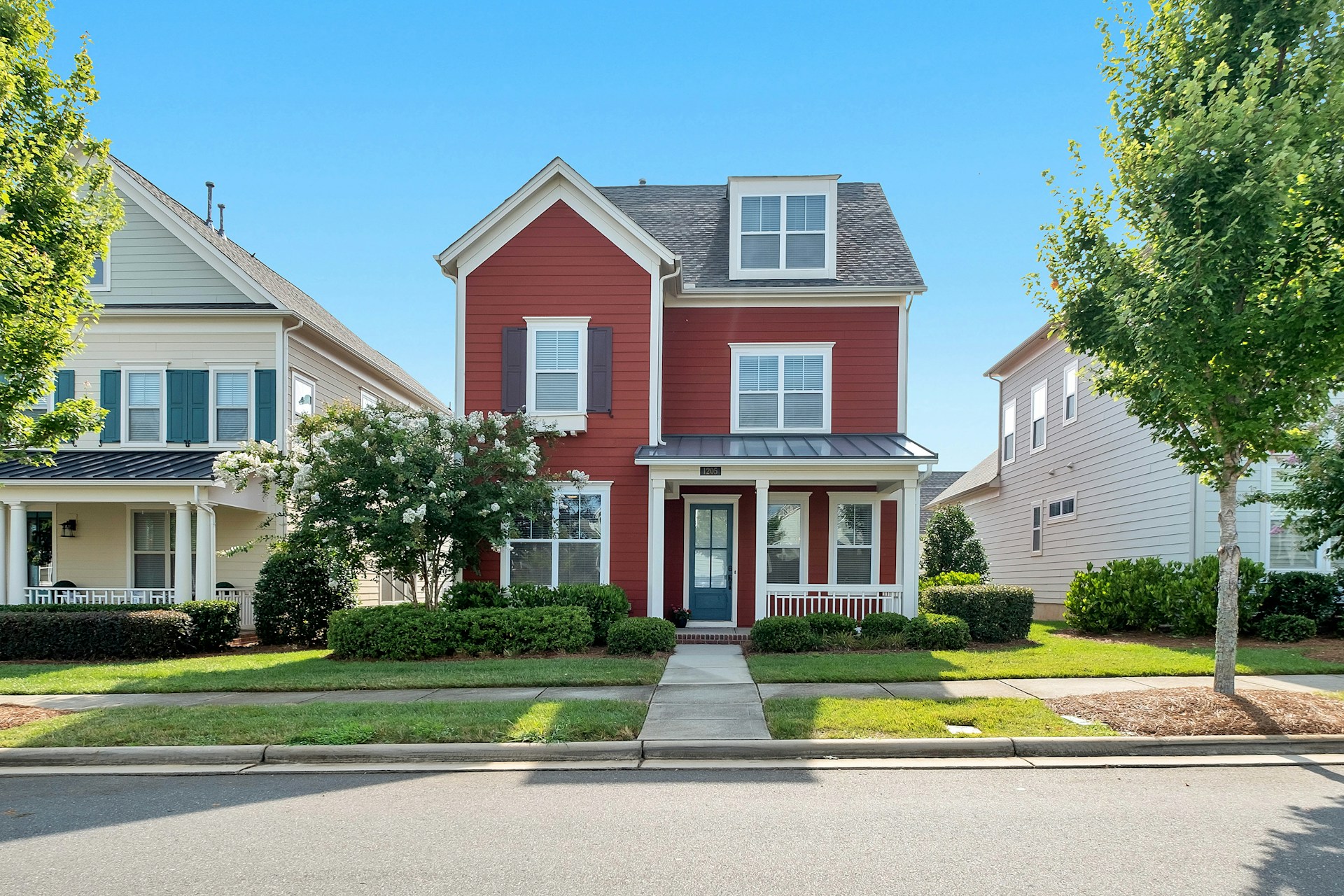
In 2012, the median home price in the United States was around $170,000. By 2024, it was over $400,000. Rents in many cities have increased 30 to 50 percent since 2020 alone. A household needs to earn roughly $100,000 a year to comfortably afford a median-priced home in most American markets, a threshold the majority of Americans don't reach.
Decisions by corporations and by government turned housing from a place where people live into a financial asset where investors park money, and those decisions drove the price spike.
The Supply Problem That Came First
Part of the explanation is straightforward: the United States hasn't built enough housing to keep up with population growth for decades. Local zoning laws in most cities heavily restrict new construction. Single-family zoning rules, minimum lot sizes, height limits, and lengthy approval processes make it difficult and expensive to build new homes or apartments in places where people want to live.
This underbuilding created scarcity, and scarcity drives prices up. When there are fewer homes than households looking for them, sellers and landlords can charge more. That's basic economics, and it was already creating affordability problems in many cities before 2020.
Then the pandemic hit, interest rates dropped to near zero, and the housing market went into overdrive. Remote work meant people wanted more space. Savings accumulated during lockdowns went into down payments. Home prices spiked. And into that environment, with artificially low borrowing costs and a supply-constrained market, institutional investors arrived in force.
How Wall Street Moved In
After the 2008 financial crisis, Blackstone launched Invitation Homes and began purchasing foreclosed single-family homes at scale, eventually accumulating over 80,000 properties. The pitch to investors was simple: Americans who lost homes to foreclosure still needed somewhere to live, and rents would be stable income. They were right. What they built was the largest single-family rental company in the country, extracting rent from homes that might otherwise have been available for purchase by first-time buyers.
Other firms followed the same model. American Homes 4 Rent, Progress Residential, and dozens of smaller funds bought up tens of thousands of properties across the Sun Belt, the Midwest, and suburban markets. In some Atlanta zip codes at the peak of this buying spree, institutional investors were purchasing one in four homes for sale.
When a hedge fund buys the house you were trying to buy, you become a renter instead of an owner. Your monthly payment becomes profit for investors while your equity stops building, and the next time a home comes on the market in your neighborhood, the fund is likely to bid again.
The Price-Fixing Scandal
Corporate landlords had another tool beyond just buying up supply. A software company called RealPage sold a rent-pricing product used by thousands of apartment operators across the country. The software collected real-time rental pricing data from participating landlords and used it to generate recommended rents.
In practice, this meant competing landlords in the same market were sharing pricing information through a common platform and following its recommendations in coordinated ways. The Department of Justice filed an antitrust lawsuit against RealPage in 2024, arguing the arrangement amounted to illegal price-fixing that drove rents above what competition would have produced. Tenants in markets where RealPage was widely used paid more, and the extra money went to landlord profits rather than housing improvements.
What Short-Term Rentals Did to Supply
Airbnb launched in 2008. By the early 2020s, there were roughly 1.5 million Airbnb listings in the United States. A significant share of those are full apartments or houses that were pulled out of the long-term rental market by owners who found they could earn more by renting to tourists than to residents.
In tourist-heavy cities, the effect on rental supply has been substantial. A study of New York City found that Airbnb listings removed tens of thousands of apartments from the long-term market, contributing directly to rent increases. In cities like New Orleans, New York, and San Francisco, the platforms effectively converted residential neighborhoods into hotel districts, pushing out long-term residents.
The companies that run these platforms profit from each transaction, while the neighborhoods absorb the displacement and residents lose their homes.
The Political Connection
Real estate developers, corporate landlords, and the financial industry that funds them are among the largest donors to both political parties. The National Association of Realtors consistently ranks among the top political spenders in the country. Private equity firms and real estate investment trusts fund campaigns and maintain lobbying operations in Washington and in state capitals.
That money has a predictable effect. Proposals to limit institutional ownership of single-family homes, cap rent increases, or restrict short-term rentals consistently face strong opposition in legislatures at every level. Some pass in limited forms. Most don't.
The housing crisis has been visible and documented for years. Congress held hearings and politicians gave speeches about it, but the prices kept climbing because the people with the power to change the rules were funded by the people profiting from the current ones, and that funding relationship hasn't changed.
What This Costs Ordinary People
About half of all renters in the United States are cost-burdened, meaning they spend more than 30 percent of their income on housing. Many spend 40 or 50 percent. That's money that doesn't go to food, healthcare, savings, or retirement. It goes to landlords, and increasingly to institutional investors.
For younger Americans trying to build wealth the way previous generations did, through homeownership, the path has become dramatically harder. The gap between renting and owning has widened. Down payments on $400,000 homes require savings most people don't have. And in markets where institutional investors are active, even buyers who do have the savings find themselves competing against cash offers from funds with effectively unlimited capital.
Housing costs are one of the primary drivers of the broader economic insecurity that makes it impossible for many people to get ahead no matter how much they work. The mechanism is clear and the people responsible are identifiable, but what's been missing is political leadership willing to take them on.
That's what the Labor Party is building toward.
Learn more at votelabor.org.




.png)

